
The Importance of Property Inspections in the UK: Why Every Buyer, Seller, and Landlord Should Take It Seriously
In the fast-paced UK rental market, property inspections for UK landlords are more than just routine check-ups, they’re a legal and financial safeguard for landlords. From ensuring tenant safety to maintaining compliance with UK housing regulations , understanding The Importance of Property Inspections for UK Landlords can help you avoid costly disputes, fines, and damage to your investment.
What Are Property Inspections for Landlords?
A rental property inspection is a scheduled review of your property’s condition, carried out either by the landlord, a letting agent, or a professional property inspector .
Unlike a buyer’s survey, these inspections are about ongoing maintenance, tenant compliance, and safety . They ensure the property remains habitable and compliant with UK standards such as:
The Housing Health and Safety Rating System (HHSRS)
Electrical Safety Standards in the Private Rented Sector (2020)
Gas Safety (Installation and Use) Regulations 1998
Smoke and Carbon Monoxide Alarm Regulations (2022)
Types of Inspections for Rental Properties
Inspection Type Purpose Frequency Initial Check-In Inspection Establish property condition at the start of tenancy. At tenancy start Routine Periodic Inspection Check tenant care, detect maintenance issues early. Every 3–6 months Mid-Term Inspection Assess property upkeep mid-way through tenancy. Mid-tenancy Check-Out Inspection Compare property condition before deposit return. End of tenancy Compliance Safety Inspection Ensure EICR, gas, and fire safety regulations are met. Annually
7 Vital Reasons Property Inspections for UK Landlords are Essential
1. Protecting Your Investment
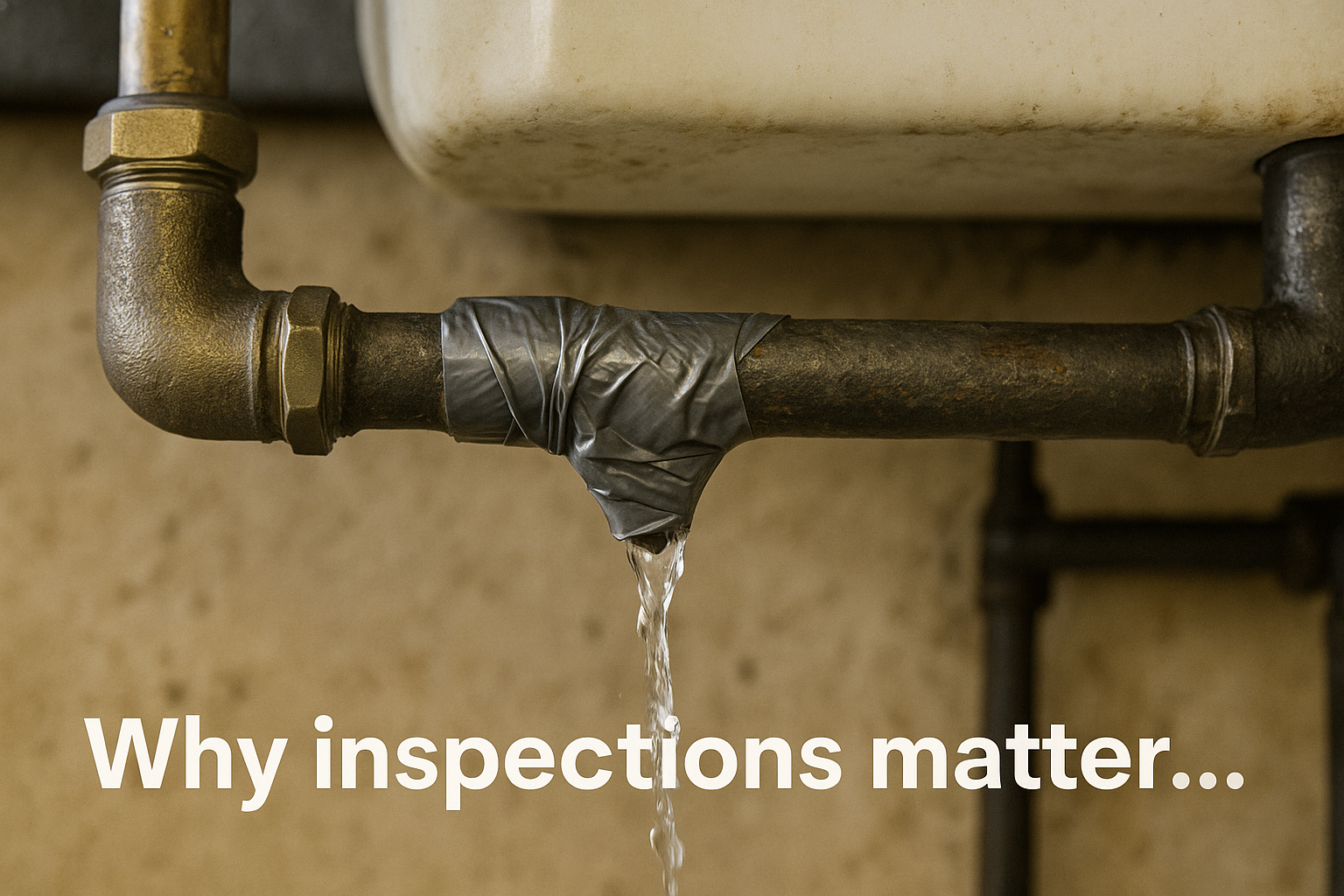
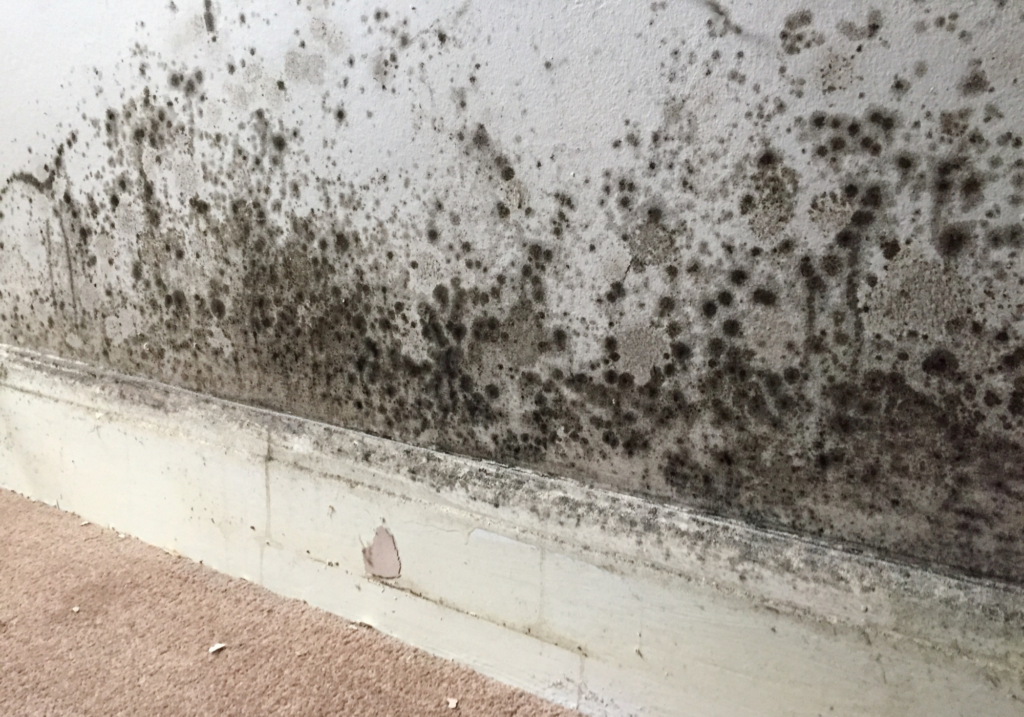
Regular inspections help spot small issues, like leaks, mould, or pests, before they escalate into costly repairs. It’s the most effective way to preserve your property’s long-term value.
2. Ensuring Tenant Safety
Tenants have a legal right to live in safe, habitable housing. Inspections ensure that gas, electrical, and fire safety measures meet UK legal standards, keeping tenants and landlords protected.
3. Legal Compliance and Avoiding Fines
Failing to comply with inspection and maintenance regulations can result in penalties or prosecution. A proper inspection routine keeps you aligned with all HHSRS and local authority requirements.
4. Maintaining Good Tenant Relationships
Regular inspections show tenants that you care about the property’s condition. When handled professionally, they build trust and reduce the risk of tenant neglect or damage.
5. Preventing Deposit Disputes
Detailed inspection reports at check-in and check-out provide crucial evidence for the Tenancy Deposit Scheme (TDS) in case of disputes over damages or cleaning.
6. Supporting Insurance and Warranty Claims
Many landlord insurance policies require proof of regular inspections. Without them, you could risk invalidating your coverage.
7. Enhancing Property Value
A well-maintained rental commands higher rent and attracts reliable tenants. Regular inspections keep your property compliant and competitive in the UK rental market.
The Property Inspection Process for Landlords
A standard UK landlord property inspection follows a simple, structured process:
Notify Tenants in Writing (with at least 24 hours’ notice).
Inspect the Interior and Exterior: Check for leaks, damp, damage, and safety compliance.
Document Findings: Take dated photos and detailed notes.
Schedule Repairs: Address urgent maintenance quickly.
File Reports: Keep records for insurance, compliance, and tenancy agreements.
Common Issues Found During Rental Property Inspections
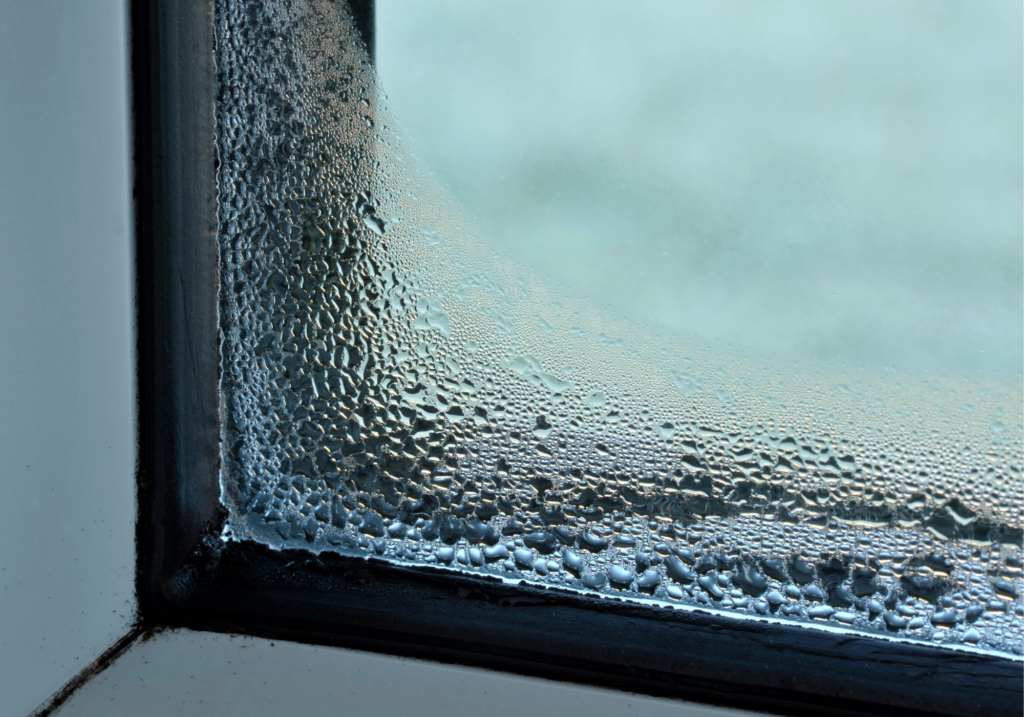
Damp or mould in bathrooms and kitchens
Poor ventilation and condensation
Pest infestations
Blocked drains or gutters
Smoke or CO alarms not working
Unauthorised alterations by tenants
Catching these early avoids legal action, expensive repairs, and unhappy tenants.
Legal and Compliance Benefits
Under UK law, landlords have a duty of care to maintain their properties in a safe condition. Inspections help you comply with:
Electrical Installation Condition Reports (EICR) every 5 years
Annual Gas Safety Certificates
Smoke and Carbon Monoxide checks
Energy Performance Certificates (EPC)
These records prove that your property meets all UK government housing standards, essential if you ever face tenant complaints or enforcement action.
Read our compliance checklist blog here for more tips.
How Often Should Landlords Carry Out Inspections?
Most UK letting agents recommend inspections:
Every 3 to 6 months for active tenancies
Immediately before and after each tenancy
Annually for safety compliance checks
Remember, under Section 11 of the Landlord and Tenant Act 1985 , you must maintain the structure and exterior of your property, inspections ensure you’re fulfilling that duty.
Tips for Conducting Property Inspections for UK Landlords
Always give written notice (minimum 24 hours).
Be polite and professional, inspections should never feel intrusive.
Use a digital checklist for consistency.
Share a summary report with tenants afterwards.
Hire RICS-registered professionals for compliance or dispute-sensitive inspections.
FAQs: Property Inspections for UK Landlords
Q1: Can I inspect my rental property without tenant permission? A: No. You must give at least 24 hours’ written notice and receive tenant consent to enter.
Q2: How long does a rental inspection take? A: Usually between 40–60 minutes, depending on property size and condition.
Q3: Who can conduct a landlord inspection? A: Landlords, letting agents, or qualified property inspectors.
Q4: What happens if a tenant refuses access? A: Keep written records and seek legal advice. You may need to apply for access through the courts in extreme cases.
Q5: Are inspection reports legally required? A: Not always, but they’re highly recommended to prove compliance and protect against disputes.
Q6: What should I do if damage is found? A: Document it, get repair quotes, and deduct fair costs (if applicable) from the tenant’s deposit via TDS procedures.
Conclusion: A Landlord’s Best Defence Against Risk
Property Inspections for UK Landlords are not optional, they’re a crucial part of responsible property management. They protect your investment, keep tenants safe, and ensure you remain compliant with UK housing laws.
But managing inspections can be time-consuming and stressful, especially for landlords with multiple properties or busy schedules. That’s where MorfittSmith steps in. Their expert property management team handles every aspect of inspections for you, from scheduling and tenant communication to detailed reporting and maintenance coordination. With MorfittSmith, you can rest easy knowing your properties are inspected regularly, legally compliant, and maintained to the highest standard, without any of the hassle.
By inspecting regularly and documenting everything, you’ll enjoy fewer disputes, lower maintenance costs, and happier, longer-term tenants.
For UK landlord inspection guidelines, visit gov.uk/private-renting.